
Green Hydrogen
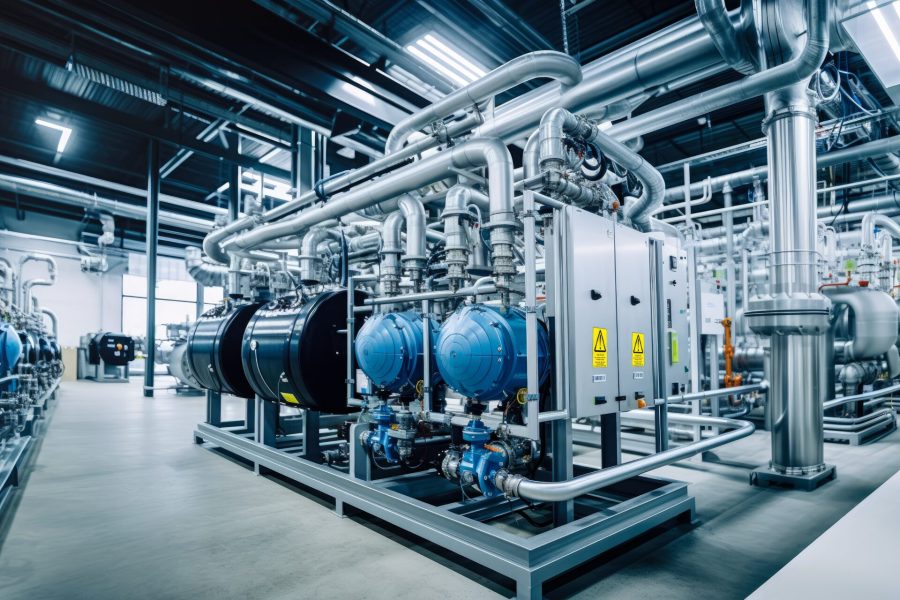
Harnessing the Power of H2
Green hydrogen production from anaerobic digestion and gasification processes begins with the organic matter, such as agricultural residues and organic waste, being fed into anaerobic digesters to break down the biomass in the absence of oxygen. This process generates biogas, primarily composed of methane (CH4) and carbon dioxide (CO2). The produced biogas is then subjected to gas cleanup to remove impurities like CO2, resulting in a cleaner methane stream. The upgraded methane can be further processed through steam methane reforming (SMR) or another gasification method to produce high-purity hydrogen. This sustainable approach harnesses the energy potential of organic waste, minimizing greenhouse gas emissions and promoting the transition towards a cleaner, more renewable energy landscape.
This sustainable approach harnesses the energy potential of organic waste, minimizing greenhouse gas emissions and promoting the transition towards a cleaner, more renewable energy landscape.
The Process
Green hydrogen production through gasification is a process that involves converting various feedstocks, such as biomass, municipal solid waste, or natural gas, into hydrogen gas while minimizing greenhouse gas emissions. This is in contrast to “gray” hydrogen, which is produced from fossil fuels and releases carbon dioxide emissions. Here’s an overview of green hydrogen production through gasification:
Gasification: Gasification is a thermochemical process that converts solid or liquid feedstocks into a synthetic gas, also known as syngas. The feedstock can be biomass (e.g., wood chips, agricultural residues), municipal solid waste, or natural gas. The gasification process typically involves heating the feedstock in a controlled environment with a limited supply of oxygen or air.
Syngas Composition: The syngas produced from gasification typically consists of hydrogen (H2), carbon monoxide (CO), carbon dioxide (CO2), and traces of other gases. The composition of the syngas depends on the feedstock and gasification conditions.
Gas Cleanup: To obtain high-purity hydrogen gas, the syngas must undergo a series of cleanup steps to remove impurities such as sulfur compounds, particulate matter, and other contaminants. These impurities can be harmful to downstream processes and catalysts.
Water-Gas Shift Reaction: After cleanup, the syngas often undergoes a water-gas shift (WGS) reaction, which converts CO into CO2 and produces additional hydrogen gas. This step increases the hydrogen content of the gas.
Hydrogen Separation: Various methods can be used to separate hydrogen from the syngas, including pressure swing adsorption (PSA), membrane separation, or cryogenic distillation. These methods allow for the extraction of high-purity hydrogen.
Storage: Once hydrogen is separated, it can be stored for future use. Common storage methods include compression, liquefaction, and solid-state storage using materials like metal hydrides.
Fuel Applications: Green hydrogen can be used as a clean fuel in various applications, including transportation, electricity generation, and industrial processes. Hydrogen fuel cells can be used to generate electricity with zero emissions, making it a viable option for decarbonizing various sectors.
Green hydrogen production via gasification has the advantage of using a variety of feedstocks, including organic waste materials, which can help reduce waste and utilize resources that would otherwise go to waste. However, the efficiency and environmental benefits of this process can vary depending on the feedstock used and the specific gasification technology employed.
It’s important to note that the overall environmental impact of green hydrogen production through gasification depends on various factors, including the carbon footprint of the electricity or heat used in the process, the feedstock source, and the efficiency of the gasification and purification steps. To maximize the environmental benefits, it is crucial to use renewable energy sources for gasification and optimize the entire production process.

benefits
- Zero Emissions: Green hydrogen production relies on renewable energy sources, such as wind, solar, or biomass, which produce no greenhouse gas emissions. This helps combat climate change and reduce the carbon footprint of various industries.
- Versatile Energy Carrier: Green hydrogen can be used in a wide range of applications, including fueling vehicles, generating electricity, and serving as a feedstock for industrial processes, making it a versatile and clean energy carrier.
- Energy Storage: Green hydrogen can store excess energy when renewable sources are abundant and release it when needed, contributing to grid stability and enabling the integration of intermittent renewables into the energy system.
- Job Creation and Economic Growth: The growing green hydrogen industry creates new job opportunities and stimulates economic growth, particularly in regions rich in renewable resources. It fosters innovation and investment in clean energy technologies.
Project Details
Date:
June 29, 2023
Categories:
sustainable energy, net zero emissions
Location:
Port of West Virginia Riverfront Industrial Complex
Completed:
TBD
Link Project:
Anaerobic Digestion
Contact Info
- 1400 Main Street, Follansbee, West Virginia 26037
- +1 304-935-5832
- info.greengen@empirede.com
- Mon - Sat 09:00 - 17:00