Anerobic Digestestion
Industrial Scale Infrastructure Providing Renewable Resources to the Ohio Valley and Beyond
Anaerobic digestion is a sustainable and eco-friendly technology that offers a multitude of benefits to both the environment and society. By utilizing this process, Empire Green Generation can tap into a renewable energy source that significantly reduces greenhouse gas emissions, mitigating the company’s contribution to climate change. Furthermore, anaerobic digestion plays a pivotal role in efficient waste management by converting organic materials like food scraps and manure/waste sludge into biogas while reducing reliance on landfills. The economic advantages are also undeniable, as anaerobic digestion can generate income through the sale of excess gas/energy and nutrient-rich digestate, benefitting local farmers and waste producers alike. Beyond the financial gains, this technology enriches soil quality, reduces odors from waste, and fosters rural development. It diversifies energy sources, ensuring greater resilience and security while simultaneously promoting sustainable agriculture and environmental stewardship. In essence, anaerobic digestion empowers communities and industries to embark on a path toward a more sustainable and prosperous future.
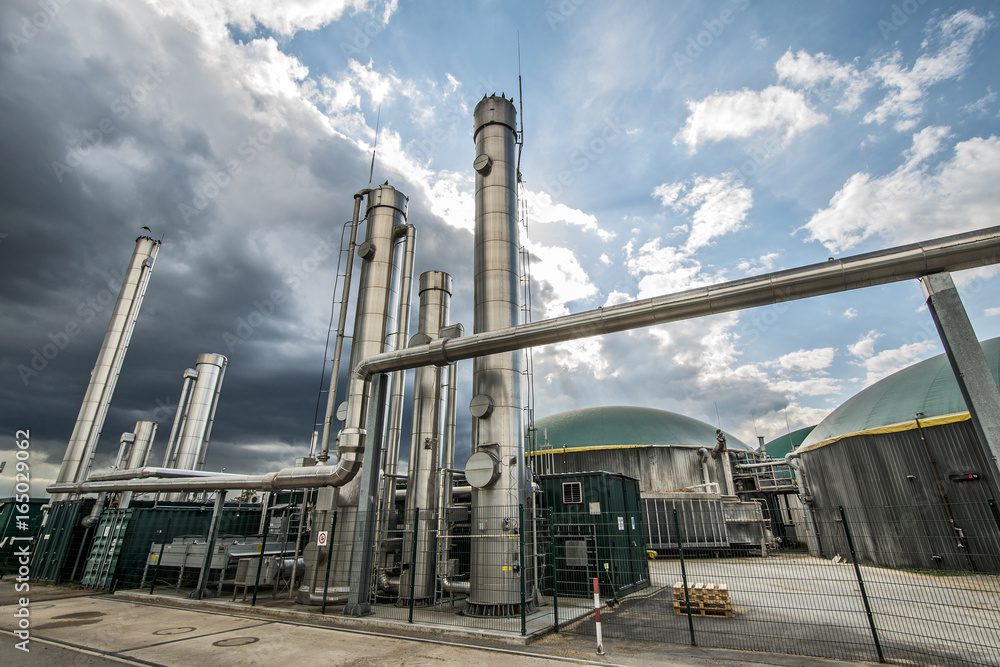
Empire Green Generation is looking to develop an anaerobic digester that utilizes a waste-to-energy system that will provide biogas and hydrogen to The Port of West Virginia and its customers. This project will reduce the amount of biological waste sent to landfills and greenhouse gases produced as a result.
- An anaerobic digestion system that utilizes a waste-to-energy system.
- Utilizes the Riverfront Industrial Complex infrastructure at The Port of West Virginia.
- Reduces the amount of biological waste sent to landfills and greenhouse gases produced as a result.
- Digester can intake around 600 tons of waste per day.
- Feedstock includes solid waste (food waste or other biological waste) and waste sludge (manure or other waste that is largely liquid).
- Produces biogas (biologically produced methane) and digestate (leftover biological solids that are mostly inert).
- Biogas will be upgraded into a better-quality methane that can be used as transportation fuel at The Port of West Virginia.
- Digestate can be sold for animal bedding, potting soil, or several other uses.
- Site has access to river, road, and rail transport for the feedstock.
- Central location between WV, OH, and PA.
How it works
Anaerobic digestion is a natural biological process that breaks down organic matter in the absence of oxygen. It typically occurs in an anaerobic digester, a controlled environment designed to optimize the conditions for the process.
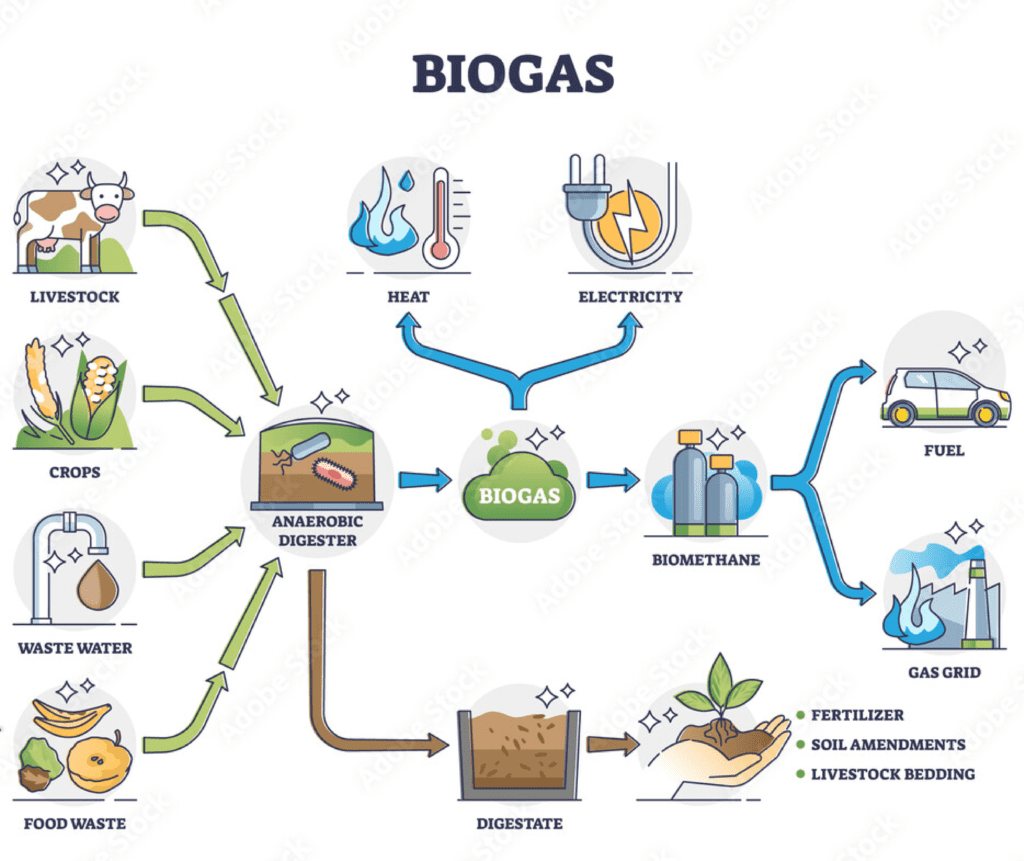
- Feedstock Input: The process begins with the introduction of organic materials, also known as feedstock, into the anaerobic digester. These materials can include various types of organic waste, such as food scraps, agricultural residues, manure, sewage sludge, and more.
- Hydrolysis: The first stage of anaerobic digestion is hydrolysis. In this phase, complex organic compounds are broken down into simpler soluble compounds, such as sugars, amino acids, and fatty acids. This step is facilitated by enzymes produced by microorganisms.
- Acidogenesis: In the acidogenesis stage, acid-forming bacteria metabolize the soluble compounds produced during hydrolysis. This results in the production of organic acids, alcohols, and other intermediate products. These compounds are still relatively simple and continue to provide a food source for the microorganisms.
- Acetogenesis: During acetogenesis, acetogenic bacteria further metabolize the products from the acidogenesis phase, producing acetate (a type of organic acid) and other compounds.
- Methanogenesis: The final and most crucial stage of anaerobic digestion is methanogenesis. In this step, methane-producing microorganisms, known as methanogens, consume the acetate and other compounds, converting them into methane (CH4) and carbon dioxide (CO2). Methane is the primary component of biogas, which is the valuable energy source produced through anaerobic digestion.
- Biogas Collection: The methane and carbon dioxide produced during methanogenesis are collected within the anaerobic digester, as they are generated in the absence of oxygen. The collected biogas can be used as a source of renewable energy for various applications or as feedstock for hydrogen production.
- Digestate Production: In addition to biogas, the anaerobic digestion process also produces a nutrient-rich byproduct called digestate. This material is a valuable organic fertilizer that can be used to enrich soil and improve crop yields.
Throughout the anaerobic digestion process, temperature, pH, and moisture levels are carefully controlled to ensure the optimal conditions for the microorganisms involved. By managing these parameters, the process can be fine-tuned to maximize biogas production and minimize the release of greenhouse gases, creating an efficient and sustainable waste-to-energy solution.
Project Details
Date:
November 6, 2023
Categories:
Agricultural Anaerobic Digestion, Co-Digestion, Anaerobic Digestion for Green Hydrogen, Large-Scale Anaerobic Digestion
Location:
The Port of West Virginia Riverfront Industrial Complex
Completed:
TBD
Link Project:
Green Hydrogen Production
Contact Info
- 1400 Main Street, Follansbee, WV 26037
- +1 304-935-5832
- info.greengen@empirede.com
- Mon - Sat 09:00 - 17:00
the benefits
The use of anaerobic digestion in the production of green hydrogen not only advances renewable energy and sustainability goals but also offers economic, environmental, and public health benefits. This integrated approach aligns with the transition to a cleaner and more sustainable energy future.
Using anaerobic digestion in the production of green hydrogen offers several significant benefits:
- Renewable Hydrogen Production: Anaerobic digestion harnesses renewable feedstocks, such as organic waste and biomass, to generate green hydrogen. This ensures a sustainable and continuous source of hydrogen, reducing reliance on fossil fuels.
- Mitigation of Greenhouse Gas Emissions: The process significantly reduces methane emissions from organic waste that would otherwise be released into the atmosphere. By capturing and utilizing methane in anaerobic digestion, it mitigates its potent greenhouse gas effect and contributes to carbon emissions reduction, making the hydrogen “green.”
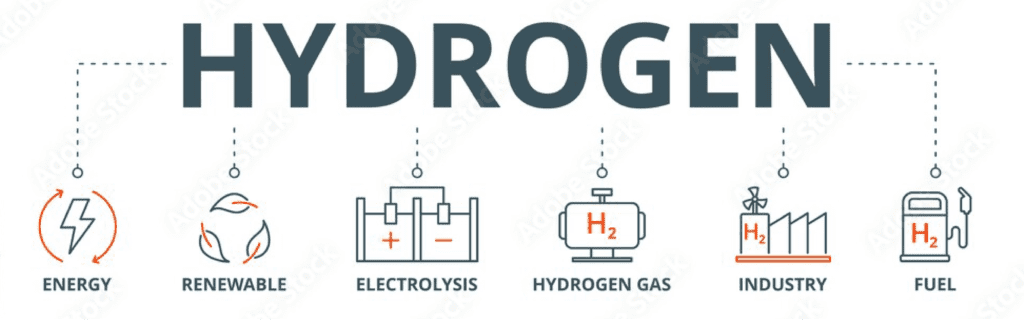
- Dual Energy Output: Anaerobic digestion generates both biogas (methane-rich gas) and hydrogen, allowing for dual energy production. Biogas can be used for heat and power applications, while hydrogen can be used for fuel cells, transportation, or energy storage.
- Efficient Resource Utilization: Anaerobic digestion efficiently converts organic waste into valuable energy resources, utilizing materials that might otherwise be discarded. This reduces waste and contributes to sustainable resource management.
- Synergy with Existing Infrastructure: Anaerobic digestion facilities can be integrated with existing wastewater treatment plants, farms, and organic waste processing facilities. This infrastructure synergy can enhance operational efficiency and reduce capital investment for green hydrogen production.
- Distributed Energy Generation: The use of anaerobic digestion for green hydrogen production allows for distributed energy generation. Hydrogen can be produced on-site, reducing the need for long-distance transportation and associated energy losses.
- Economic Opportunities: Anaerobic digestion for green hydrogen production can create economic opportunities such as job creation and revenue generation, particularly in rural areas where organic waste is abundant.
- Grid Balancing and Energy Storage: Green hydrogen produced from anaerobic digestion can serve as a valuable energy storage medium and contribute to grid balancing. Excess hydrogen can be stored and then used to supply power during periods of high demand or renewable energy intermittency.
- Reduced Dependence on Natural Gas: By producing green hydrogen using anaerobic digestion, industries and energy systems can reduce their dependence on natural gas as a hydrogen source, leading to a decreased carbon footprint in various applications, including industrial processes and transportation.
- Environmental and Health Benefits: The reduction of organic waste in landfills and the mitigation of methane emissions have positive environmental and public health impacts. It contributes to cleaner air quality and minimizes odors associated with waste disposal.